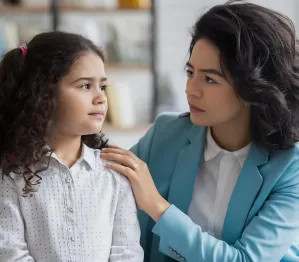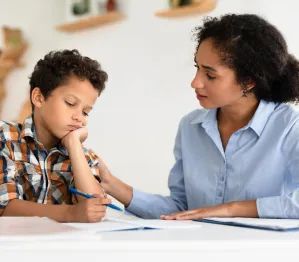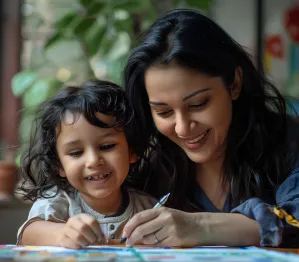
Every conversation with a child can build trust, open the door to honest feelings, and help them feel heard, safe, and supported
Key Highlights
- Child counselling skills help adults understand children’s feelings, behavior, and needs.
- Schools use these skills to support learning, emotional well-being, and healthy peer relationships.
- Healthcare centres and rehabilitation services may use counselling methods to help children cope with difficult experiences.
- NGOs apply these skills while supporting vulnerable children and families.
- Parents, teachers, and professionals can develop these skills through structured learning and practical training.
- The right online counselling course in India can help learners build a foundation in counselling methods.
Understanding Where Child Counselling Skills Make a Difference
Children may find it hard to explain what they feel. Changes in behavior, poor school performance, fear, or withdrawal can sometimes point to a concern they cannot express clearly. A patient conversation can help adults understand what a child may be experiencing.
Child counselling skills are useful in many settings, not just in counselling rooms. Teachers can use them to manage classroom concerns. Parents can use them to improve communication at home. NGOs and healthcare teams may use them to support children facing difficult situations.
These skills include active listening, asking age-appropriate questions, showing empathy, and creating a safe space for children to speak. They also involve knowing when a concern needs help from a qualified mental health professional.
For those who want to learn these methods, an online counselling course can provide a structured introduction to counselling concepts. The right training can help learners understand children’s needs and respond with greater care. However, a certificate alone does not qualify for someone to diagnose mental health conditions or provide clinical treatment.
Understanding Child Counselling Skills and Their Importance in Supporting Children’s Emotional Development
Child counselling skills help adults communicate with children in a calm, supportive, and age-appropriate way. The aim is to understand what a child may be feeling rather than judge their actions.
These skills can help adults respond to concerns such as school stress, friendship problems, family changes, low confidence, or difficulty expressing emotions.
Some important child counselling skills include:
- Active listening: Giving children time to speak without interrupting or rushing them.
- Empathy: Trying to understand their feelings without dismissing their concerns.
- Clear communication: Using words and questions that match the child’s age and understanding.
- Observation: Noticing changes in behavior, mood, or social interaction.
- Building trust: Helping children feel comfortable enough to share their concerns.
- Setting boundaries: Respecting a child’s privacy while following safeguarding duties and reporting concerns when required.
These skills matter because children may express distress through behavior rather than words. A child who becomes quiet, angry, or unwilling to attend school may need support instead of punishment alone.
Parents and professionals can also explore online counselling courses with certificate to learn the basics of listening, communication, and counselling ethics. Formal study can build awareness, but practical experience and appropriate qualifications remain important for professional roles.
Explore our online counselling course to build skills that support children’s emotional well-being.
How Are Child Counselling Skills Used in Schools and Educational Institutions?
Schools are among the most common settings where child counselling skills can make a difference. Children spend much of their day in school. Their learning, friendships, and confidence can affect how they feel and behave.
Teachers and school counsellors may use these skills to support children facing:
- Exam stress or fear of failure
- Bullying, teasing, or friendship problems
- Difficulty adjusting to a new school
- Low classroom participation or confidence
- Changes in behavior or learning patterns
For example, a child who stops participating in class may be dealing with stress or a problem with classmates. A calm conversation can help the teacher understand the concern and decide what support may be needed.
The Ministry of Education’s Manodarpan initiative offers resources on student mental health and well-being. It also highlights the role of schools and families in supporting children.
Parents can look for schools that take emotional well-being seriously, along with academic progress. Teachers must also know when to refer a child to a trained counsellor or mental health professional.
The Role of Child Counselling Skills in Supporting Children Across Healthcare and Rehabilitation Settings
Children may need emotional support when dealing with illness, injury, developmental concerns, or long periods of treatment. Hospitals and rehabilitation centres can be unfamiliar and stressful places for them.
Child counselling skills can help staff communicate with children in ways they understand. These methods can also help families manage concerns during treatment.
Here are a few examples of their use:
- Hospitals: Helping children express fears about tests, treatment, or staying away from home.
- Rehabilitation centres: Supporting children as they adjust to changes and work towards personal goals.
- Developmental support services: Helping caregivers understand a child’s needs and build better ways to communicate.
- Family support programmes: Helping parents respond calmly to emotional and behavioral concerns.
The World Health Organization provides guidance on mental health services for children and young people. It stresses the need for suitable support across different care settings.
These roles require appropriate training and clear professional boundaries. Basic counselling skills can support communication, but clinical care must be provided by qualified professionals.
How Do NGOs Use Child Counselling Skills to Support Vulnerable Children?
NGOs often work with children who face difficult living conditions. Some may have experienced neglect, family conflict, poverty, displacement, or abuse. These experiences can affect their trust, confidence, and sense of safety.
In such cases, child counselling skills can help workers communicate with care and avoid making children feel judged.
NGOs may use these skills in:
- Child protection and welfare programmes
- Community education projects
- Support services for children affected by abuse
- Foster care and family support programmes
- Learning centres for children from disadvantaged backgrounds
A child may not feel ready to discuss a difficult experience at once. Listening without pressure can help build trust over time. Workers must also follow child protection procedures and report safety concerns to the relevant authorities.
People interested in this field should understand that empathy alone is not enough. Safeguarding knowledge, supervised practice, and role-specific training are also important.
Can Child Counselling Skills Be Applied in Workplaces and Family Support Services?
Yes. Child counselling skills can be useful in workplaces that serve children and families. They can also help parents improve their everyday communication at home.
In workplaces, professionals in childcare centres, family support services, and education-focused organizations may use these skills to understand children’s needs. They can help staff respond to concerns with patience and care.
At home, parents can use similar methods to create a more open environment. For example, instead of asking a child why they behaved badly, a parent can ask what happened and how the child felt.
Simple practices include:
- Listening without interrupting
- Asking open-ended questions
- Acknowledging feelings without encouraging harmful behavior
- Setting clear and age-appropriate boundaries
- Working with teachers or professionals when concerns continue
These skills do not replace professional counselling. They help adults respond more thoughtfully and recognize when extra support may be needed.
What Other Career Opportunities Are Available for People with Child Counselling Skills?
Child counselling skills can be useful in several education, care, and community roles. The opportunities available depend on a person’s qualifications, experience, and the requirements of each role.
| Setting | Possible role | How the skills may help |
| Schools | Student support staff | Help children manage everyday school concerns |
| NGOs | Child welfare worker | Support communication and child-focused programmes |
| Childcare centres | Childcare professional | Respond to children’s emotional and social needs |
| Community services | Family support worker | Help families communicate more effectively |
| Education services | Student mentor | Encourage confidence and positive learning habits |
A short course may help learners build basic knowledge, but it does not automatically qualify them for every role listed. Some positions require degrees, recognized professional qualifications, supervised experience, or other credentials.
How Can an online counselling course in India Help You Develop Practical Counselling Skills?
An online counselling course in India can help learners study counselling concepts while managing work, family, or other commitments. Live online sessions may also offer opportunities to discuss examples and practice communication techniques.
When comparing courses, check whether the syllabus covers:
- Listening and communication skills
- Child psychology and development
- Counselling ethics and boundaries
- Case discussions and role-play activities
- Referral practices and professional responsibilities
Some online counselling courses with certificates may suit beginners who want to understand the basics. Others may be designed for people with experience in education, healthcare, or social work.
If you are exploring the best online counselling course, look beyond the course title. Review the syllabus, faculty experience, teaching format, practical activities, and certificate details before enrolling.
How to Choose the Right Online Counseling Courses with a certificate for Your Career Goals?
The right course should match your learning needs and the work you hope to do. Start by checking whether the course is introductory or intended for learners with prior experience.
If you are comparing counselling courses in Mumbai, consider both classroom and online options. Online learning can offer flexibility, while in-person training may provide more direct practice.
Before you decide, check these points:
- Course duration, fees, and class schedule
- Topics covered and teaching method
- Opportunities for case discussions or role-play
- Trainer qualifications and learner support
- What the certificate represents and what it does not qualify you to do.
Building Skills to Support Children with Care
Child counselling skills can be used in schools, healthcare settings, NGOs, family services, and other child-focused environments. They help adults listen carefully, understand children’s concerns, and respond with empathy. The right training also teaches learners to respect professional boundaries and recognize when expert help is needed.
At National Academy, we offer learning opportunities for people who want to build their understanding of counselling. Explore our online counselling course and review the course details to find a programme that suits your goals. Whether you are comparing counselling courses in Mumbai or flexible online counselling courses with a certificate, make your choice based on the skills you want to develop and the qualifications your intended role requires.