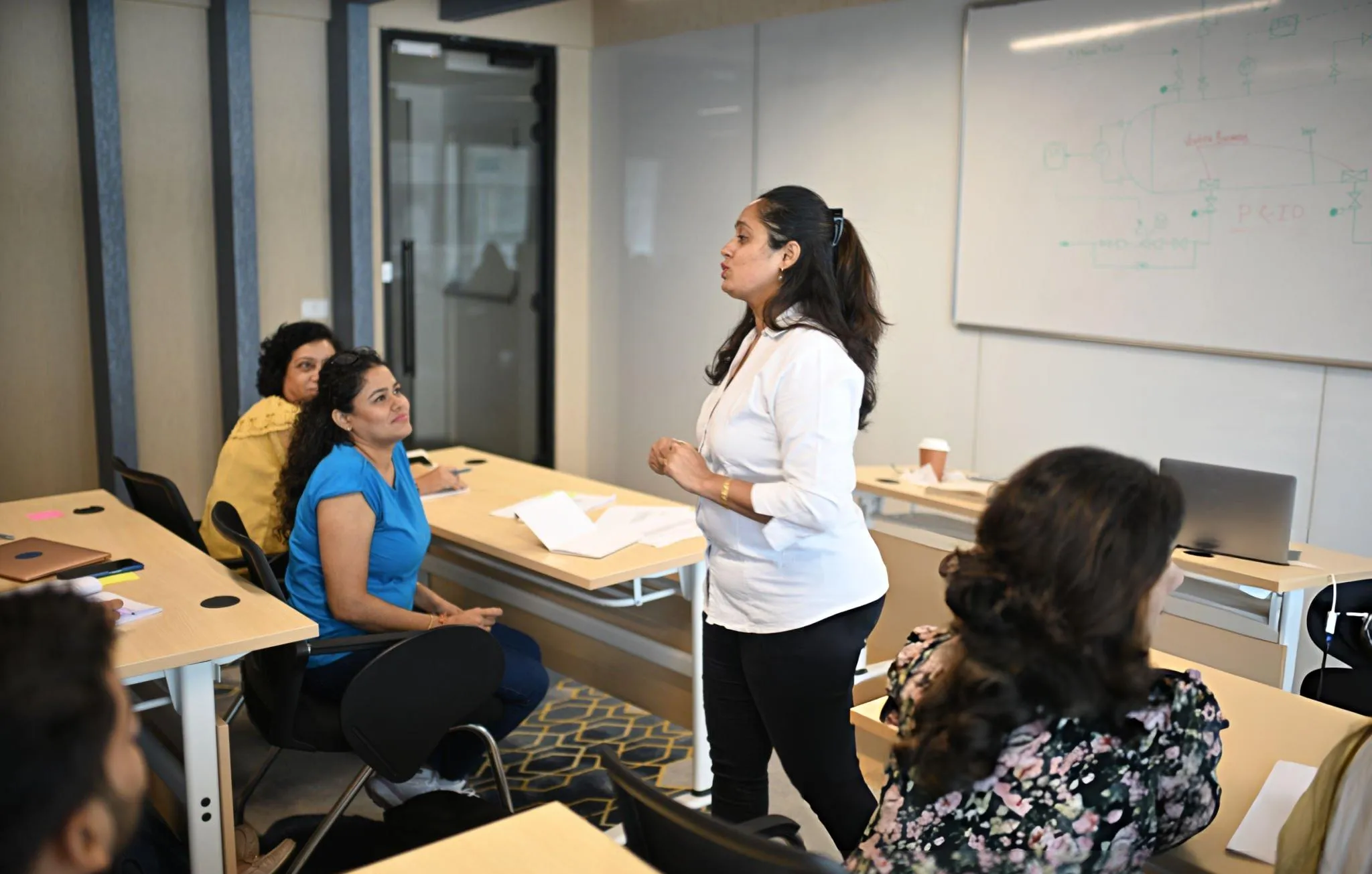
When a child learns at their own pace, the right goals, patient guidance, and small steps forward can turn daily learning into a more confident experience
Key Highlights
- An Individualized Education Plan (IEP) sets learning goals based on a child’s needs.
- Assessing learning needs helps teachers choose suitable teaching methods.
- Regular progress checks help teachers update their learning goals.
- Shadow teachers and remedial educators can support children through planned learning activities.
- Parents and teachers need to work together to make learning plans useful.
Understanding Individual Learning Plans and Their Role in Inclusive Education
Every child learns in a different way. Some children need more time to read or write. Others may need help with communication, attention, or classroom routines. An individual learning plan helps teachers understand these needs and plan suitable support.
A special education course should teach you how to identify learning needs, set clear goals, choose useful teaching methods, and track progress. It should also explain how parents, teachers, and support staff can work together.
These skills are useful for people exploring an online shadow teacher training course or a certificate course in remedial teaching. They help learners understand how to support children without comparing them with others or expecting every child to progress at the same speed.
Understanding Individualized Education Plans (IEPs)
An Individualized Education Plan (IEP) is a written plan that sets learning goals and support for a child with specific educational needs. It helps teachers decide what the child needs to learn and how they can support that progress.
A useful IEP may include:
- Current learning level: What can the child do independently.
- Learning goals: Skills the child will work towards.
- Teaching methods: Activities and tools that suit the child’s needs.
- Support required: Changes to tasks, classroom routines, or learning materials.
- Progress checks: Ways to review the child’s development.
For example, a child who finds reading difficulty may work on recognizing common words before moving to longer sentences. The teacher can track progress and adjust the next goal when needed.
An IEP should not be treated as a fixed document. It needs regular review and input from the relevant educators, specialists, and parents. The support plan should reflect the child’s strengths, needs, and progress.
Assessing Learning Needs: Skills Every Special Education Course Should Teach
Before setting learning goals, educators need to understand where a child may need support. A special education course should teach learners to observe children, record their progress, and recognize when further assessment may be useful.
Key skills include:
- Classroom observation: Notice how the child responds to instructions, activities, and group tasks.
- Identifying learning barriers: Look for difficulties with reading, writing, attention, communication, or daily routines.
- Recognizing strengths: Identify the child’s interests and skills that can support learning.
- Recording progress: Keep clear notes on completed tasks and areas that need more practice.
- Working with specialists: Understand when to refer concerns to qualified professionals instead of making a diagnosis.
Parents also play an important role. They can share details about the child’s routines, interests, and learning experiences at home. This information can help teachers plan more suitable activities.
A certificate in shadow teacher training should also help learners understand observation, classroom support, and communication with the lead teacher. These skills can help a shadow teacher support participation without doing every task for the child.
How Do Teachers Set Goals and Track Progress in an Individual Learning Plan?
Learning goals should be clear, realistic, and easy to review. A goal such as “improve reading” may be too broad. A more useful goal could be “recognize ten familiar words with less support over the next few weeks”.
Teachers can use this simple process:
- Set a starting point: Record the skill the child can perform now.
- Choose a clear goal: Decide what progress should look like.
- Plan activities: Select tasks that help the child practice the skill.
- Set a review date: Check progress at regular intervals.
- Adjust the plan: Change the method or goal if the child needs a different level of support.
Progress does not always happen at the same pace. A child may need more practice or a different way to learn. Teachers should focus on the child’s own progress rather than comparing them with classmates.
Explore courses to support children with diverse learning needs.
How Can an online shadow teacher training course Help You Support Students with Individual Learning Needs?
A shadow teacher offers individual support to a child in a classroom or another learning setting. The aim is to help the child take part in activities, follow routines, and become more independent over time.
An online shadow teacher training course can introduce learners to practical support methods, such as:
- Break complex instructions into smaller steps
- Using visual cues and simple reminders
- Helping children move between classroom activities
- Encouraging communication with teachers and classmates
- Supporting routines without taking over the child’s work
The course should also explain professional boundaries. A shadow teacher needs to follow the school’s approach and work with the lead teacher and parents. They should not create major changes to an IEP without the relevant team’s input.
Remedial Teaching Strategies for Different Learning Needs
Remedial teaching gives children extra help with skills they find difficult. It often focuses on areas such as reading, writing, spelling, and basic mathematics.
A certificate course in remedial teaching should cover ways to identify skill gaps and plan focused practice. It should also teach learners how to check whether a strategy is helping.
Useful methods include:
- Dividing a task into smaller steps
- Using visual aids, examples, and hands-on activities
- Giving children time to practice a skill more than once
- Offering clear feedback after each activity
- Revisiting earlier skills before moving to harder tasks
For example, a child who struggles with spelling may first practice letter sounds, then simple words, and later short sentences. The teacher can review progress before increasing the level of difficulty.
Adapting Lessons Through a Remedial Education Course Online
An online course can help learners understand how to adapt teaching activities to different learning needs. The course should cover both lesson planning and ways to review a child’s progress.
A remedial education course online may introduce techniques such as using picture cards, reading exercises, number games, and guided practice. These tools can make lessons easier to follow.
The National Council of Educational Research and Training (NCERT) provides educational resources and curriculum guidance that teachers can use to understand age-appropriate learning.
When adapting lessons, educators should consider the child’s current skills, interests, and support needs. They should also record what works and discuss concerns with the relevant teacher or specialist.
Choosing the Right Certificate in Shadow Teacher Training Programme
Before enrolling, check whether the course offers useful knowledge and practical guidance. The course title alone does not show what you will learn or which jobs you may qualify for.
Look for these features:
- Clear modules on child development and learning needs
- Guidance on classroom observation and behavior support
- Practical examples of inclusive teaching
- Training in communication with teachers and parents
- Guidance on professional boundaries and child safety
- Clear details about course duration, assessment, and certification
A certificate in shadow teacher training may help learners build support skills, but it should not be assumed to qualify them for every special education role. Formal special educator posts may require specific recognized qualifications and registration.
How Do IEPs, Shadow Teaching and Remedial Education Work Together to Support Inclusive Learning?
IEPs, shadow teaching, and remedial education serve different purposes, but they can work together to support a child’s learning.
An IEP helps set goals. A shadow teacher may help the child take part in classroom activities. Remedial teaching provides focused practice in skills that need extra attention.
At National Academy, we offer learning opportunities for people who want to build their understanding of special education and learning support. We encourage you to review our Diploma in Special Education course details, including its curriculum, schedule, and eligibility, before enrolling. Choose a programme that matches your learning goals and the requirements of your intended role.