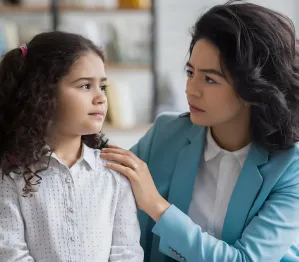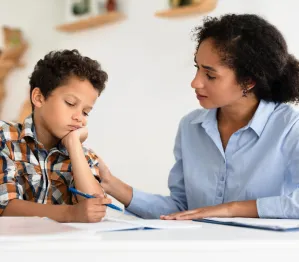
Every child is unique. Some children learn quickly, while others need extra support to reach their full potential. Children with learning disabilities, autism, ADHD, intellectual disabilities, hearing impairment, or other special needs often require a team of caring professionals to help them succeed. One of the most important members of this team is the special educator.
A special educator does much more than teach. They work closely with parents, therapists, school teachers, and school management to ensure that every child receives the right support at the right time.
This teamwork creates a strong foundation for the child’s academic, social, emotional, and life skills development. In this blog, let us understand how special educators collaborate with everyone involved in a child’s journey.
Who is a Special Educator?
A special educator is a trained professional who understands the learning needs of children with disabilities and learning differences. They assess children’s strengths and challenges, prepare individualized learning plans, teach using specialized methods, and regularly monitor progress.
Today, many aspiring professionals are choosing a diploma in special education to develop the skills needed to support children with diverse learning needs. With the increasing demand for flexible learning, many institutes also offer a diploma in special education online, making quality education accessible to students across India.
Why Collaboration is Important
No single person can meet all the needs of a child with special educational needs. Every professional observes the child from a different perspective.
- Parents know the child’s daily habits and emotions.
- School teachers observe classroom learning.
- Therapists work on specific developmental skills.
- Special educators connect all the information and create practical learning strategies.
When everyone communicates regularly, the child receives consistent support both at school and at home.
Working Together with Parents
Parents are the child’s first and lifelong teachers. Their involvement plays a major role in the child’s progress.
A special educator regularly communicates with parents by discussing:
- The child’s strengths and interests
- Areas that need improvement
- Academic progress
- Behaviour at school
- Homework strategies
- Home-based activities
Instead of focusing only on difficulties, special educators encourage parents by highlighting every small achievement.
For example, if a child has improved from reading one sentence to reading one paragraph, that progress is celebrated. Positive communication builds confidence in both the child and the family.
Take the first step towards becoming a qualified special educator
Guiding Parents at Home
Children learn best when school and home follow similar strategies.
A special educator may suggest simple activities such as:
- Reading together every day
- Practising handwriting for a few minutes
- Playing memory games
- Using flashcards
- Following a visual timetable
- Encouraging independent daily living skills
These activities help children practise their skills in real-life situations.
Collaborating with School Teachers
Most children with special needs spend a large part of their day in regular classrooms. Therefore, classroom teachers and special educators must work together.
A special educator helps classroom teachers by:
- Explaining the child’s learning profile
- Suggesting classroom accommodations
- Recommending suitable teaching methods
- Modifying worksheets
- Preparing simplified assessments
- Monitoring classroom participation
For example, a child with dyslexia may need extra time during exams, while a child with ADHD may benefit from sitting near the teacher and receiving shorter instructions.
This teamwork allows children to participate actively without feeling different from their classmates.
Supporting Inclusive Education
Inclusive education means that children with and without disabilities learn together in the same classroom.
Special educators help schools create an inclusive environment by:
- Training teachers
- Conducting awareness sessions
- Promoting acceptance among students
- Helping schools remove learning barriers
- Suggesting assistive technology
- Supporting classroom modifications
Inclusive classrooms help children develop confidence, friendships, empathy, and social skills.
Working with Speech Therapists
Many children have speech and language difficulties. A speech therapist focuses on communication, pronunciation, vocabulary, and language development.
The special educator works closely with the speech therapist by:
- Sharing classroom observations
- Reinforcing speech goals during lessons
- Practising communication activities
- Encouraging conversation in daily routines
For example, if the therapist is teaching action words, the special educator includes those same words during classroom activities and storytelling.
This consistency helps children learn faster.
Collaborating with Occupational Therapists
Occupational therapists help children improve fine motor skills, handwriting, sensory processing, attention, and daily living skills.
The special educator and occupational therapist discuss:
- Classroom seating
- Pencil grip
- Writing posture
- Sensory breaks
- Classroom participation
- Self-care skills
Simple changes like using thicker pencils, slant boards, or movement breaks can significantly improve learning.
Working with Psychologists
Educational and clinical psychologists assess children’s learning, behaviour, emotions, and cognitive abilities.
Special educators use psychological assessment reports to:
- Understand learning strengths
- Identify specific learning difficulties
- Plan individualized instruction
- Set realistic goals
- Monitor progress
Regular discussions between psychologists and special educators help in making better educational decisions.
Collaborating with Physiotherapists
Some children have physical disabilities that affect movement and mobility.
Physiotherapists help improve balance, posture, coordination, and physical independence.
Special educators coordinate with physiotherapists by ensuring that classroom activities are accessible and comfortable for the child.
Together, they create an environment where the child can actively participate in learning.
Creating Individualized Education Plans (IEP)
One of the most important responsibilities of a special educator is preparing an Individualized Education Plan (IEP).
An IEP includes:
- Present level of performance
- Learning goals
- Teaching strategies
- Classroom accommodations
- Therapy recommendations
- Progress review
Parents, teachers, therapists, and school administrators often contribute to the IEP.
Because everyone participates, the goals become practical and achievable.
Regular Meetings Improve Progress
Successful collaboration requires regular communication.
Many schools organize meetings every month or every term where parents, therapists, teachers, and special educators discuss:
- Progress achieved
- Challenges faced
- Changes in behaviour
- Therapy updates
- Future goals
These meetings ensure that everyone works toward the same objectives.
Importance of Documentation
Special educators maintain detailed records of:
- Assessments
- Progress reports
- Observation notes
- Therapy recommendations
- Attendance
- IEP reviews
Good documentation helps track improvement over time and supports better educational planning.
Role of Shadow Teachers
Some children need individual support inside the classroom. A trained shadow teacher helps the child remain engaged, follow classroom routines, improve social interaction, and become independent.
Due to the growing demand, many educators now pursue a Certificate in Shadow teacher training. This specialized training prepares them to work effectively alongside classroom teachers and special educators while supporting children in inclusive schools.
Career Opportunities in Special Education
The need for trained professionals in special education is increasing every year.
After completing a diploma in special education, professionals can work as:
- Special Educator
- Resource Teacher
- Inclusive Education Coordinator
- Shadow Teacher
- Early Intervention Educator
- Learning Support Teacher
- Remedial Educator
- NGO Professional
- Rehabilitation Professional
Many individuals who are already working as teachers also prefer a diploma in special education online because it allows them to continue their jobs while upgrading their qualifications.
Several special education diploma courses also include practical training, classroom observation, assessment techniques, behaviour management, and inclusive teaching methods, making graduates ready for professional practice.
Essential Skills of a Successful Special Educator
Apart from academic qualifications, successful special educators possess several personal qualities.
These include:
- Patience
- Empathy
- Good communication
- Observation skills
- Problem-solving ability
- Teamwork
- Creativity
- Flexibility
- Positive attitude
These skills help them build trust with children, parents, therapists, and schools.
Challenges in Collaboration
Although collaboration brings many benefits, there can also be challenges.
Some common difficulties include:
- Lack of communication
- Busy schedules
- Different professional opinions
- Limited resources
- Parent stress
- Large classroom sizes
However, regular meetings, mutual respect, and a child-centred approach help overcome these challenges.
The Future of Special Education
Technology is making collaboration easier than ever.
Today, professionals use:
- Online meetings
- Digital progress reports
- Learning management systems
- Educational apps
- Assistive technology
- Online parent counselling
These tools help families and professionals stay connected even when they are in different locations.
As awareness about inclusive education continues to grow, the demand for qualified professionals through special education diploma courses and diploma in special education online programs will continue to increase.
Empowering Children Through Strong Educational Partnerships
A child’s success depends on teamwork. Parents, teachers, therapists, and special educators each contribute valuable knowledge and support. When they work together with clear communication and shared goals, children gain confidence, develop important life skills, and achieve better learning outcomes.
If you are passionate about helping children with diverse learning needs, enrolling in a diploma in special education can be the beginning of a meaningful career. Flexible options like a diploma in special education online, various special education diploma courses, and a Certificate in Shadow Teacher Training offered by National Academy provide excellent opportunities to gain practical knowledge and make a positive impact on the lives of children and their families.
Every child deserves the chance to learn, grow, and succeed and collaboration is the key to making that happen.