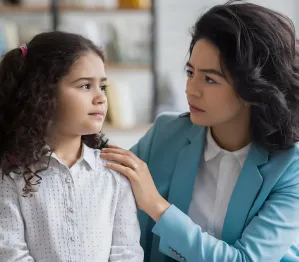
Every parent, teacher, or caregiver has had this moment. A child suddenly throws a tantrum in the middle of a supermarket. A student who was fine last week refuses to talk to anyone this week. A toddler bites another kid at daycare, and nobody knows why. And the question that follows is always the same one: “Why do children behave this way, and how do I even begin to understand it?”
Now here’s the real question people actually want answered. Do you need a full psychology degree, three years of college, and a mountain of textbooks to understand child behaviour? Or can you actually learn this in a more practical, faster, and still credible way?
The honest answer is this: a psychology degree helps, but it is not the only door into this field. Thousands of teachers, parents, daycare staff, social workers, and even working professionals from completely different backgrounds have built real skills in child behaviour through a good child counselling course in Mumbai or an online Certification in Child Psychology. You don’t need to spend four years to start understanding why a five-year-old melts down over a broken biscuit, or why a ten-year-old suddenly stops doing homework. You need the right course, taught the right way.
Why People Are Turning Away From the “Full Degree Only” Idea
A psychology degree is a big commitment. It takes years, it costs a lot, and honestly, it is designed for people who want to become full-time clinical psychologists. But not everyone wants that. Some people just want to:
- Understand their own child better
- Handle a classroom of 30 kids without losing their mind
- Support children going through divorce, bullying, or loss
- Add a valuable, in-demand skill to their teaching or social work career
- Start a side career in child guidance without quitting their job
For all of these goals, a focused, well-designed diploma in child psychology or a short-term certification does the job beautifully. These courses are built by psychologists themselves, and they concentrate only on what actually matters for real-life situations. No unnecessary theory that you’ll never use. Just practical understanding of how children think, feel, and act at different ages.
What a Good Child Psychology Course Actually Teaches You
People often assume these courses are just “watch some videos and get a certificate.” A well-designed Child Psychology course is nothing like that. It usually covers:
1. Stages of child development – What is normal behaviour for a 3-year-old versus a 9-year-old versus a teenager? A lot of parental worry disappears once you understand that certain behaviours are simply age-appropriate, not a “problem.”
2. Emotional and behavioural red flags – How to tell the difference between a child having a bad day and a child who might need extra support or professional help.
3. Communication techniques – How to actually talk to a child so they open up, instead of shutting down or getting defensive.
4. Handling tantrums, anxiety, and aggression – Practical, tested techniques, not just theory from a textbook.
5. Working with parents and teachers – Because a child’s behaviour is rarely just about the child. It usually involves the home and school environment too.
This is exactly the kind of content covered in a solid Certification in Child Psychology, and it’s designed to be understood by anyone – you don’t need a science background or prior psychology knowledge to follow it.
Is Mumbai a Good Place to Study This?
Yes, and for a very simple reason: demand. Mumbai has a massive number of schools, daycare centres, NGOs, and counselling clinics that are actively looking for people trained in child behaviour and child guidance. If you search for a child counselling course in Mumbai, you’ll notice it’s not because Mumbai has some special psychology magic – it’s because this city has a genuine, growing need for people who understand children well.
Schools in Mumbai increasingly want teachers who are also trained in basic child psychology. Daycare centres want staff who won’t panic during a meltdown. Parents are more aware than ever and are actively looking for counsellors who specialise in child behaviour, not general adult therapy. This means if you complete a good course, you are stepping into a city that is actually ready to use your new skills.
Start your child counselling journey, Enquire now below.
But Will Employers or Parents Take You Seriously Without a Full Degree?
This is the question everyone is really asking, even if they don’t say it directly. And here’s the honest truth: it depends entirely on the course you choose, not on whether it’s a “degree” versus a “certification.”
A certificate from a recognised, well-structured program – one that includes real case studies, practical assignments, and is created by qualified psychologists – carries genuine weight. Many schools and daycare centres are far more interested in whether you can actually handle a child’s meltdown calmly than whether you have a four-year degree hanging on your wall. Practical skill often speaks louder than a framed certificate.
That said, it’s important to be honest about limits too. If your goal is to become a licensed clinical psychologist who diagnoses and treats serious mental health conditions, you will eventually need a full degree and proper licensing. But if your goal is to understand children better, support them in everyday settings, guide parents, or work in schools and NGOs – a focused diploma in child psychology is often exactly the right amount of training, without the years of extra cost and time.
Who Actually Benefits Most From These Courses?
- Teachers who want to manage classrooms with more confidence and less stress
- Parents who want to understand their child instead of just reacting to their behaviour
- Daycare and preschool staff who deal with tantrums and separation anxiety daily
- Social workers who want to specialise further in child welfare
- Career switchers who feel drawn to working with children but don’t want to start from zero with a full degree
- Content creators, bloggers, and coaches who want credible knowledge before creating parenting or child-related content
If you see yourself in any of these categories, a well-designed course is not just “good enough” – it is often exactly what the situation calls for.
How to Pick the Right Course (So You Don’t Waste Your Time or Money)
Not every course out there is worth your time, and it’s fair to be a little cautious before signing up. Here’s a simple checklist to keep in mind before choosing a child counselling course in Mumbai or any online program:
Check who is teaching it. Is the course designed and taught by qualified, practicing psychologists, or is it put together by someone with no real background in the field? This one factor alone can tell you a lot about the quality of what you’re about to learn.
Look for real case studies. A course that only teaches definitions and theories will leave you stuck the moment you face an actual child. The best programs use real-life examples – a child refusing to speak after a family fight, a teenager showing signs of anxiety before exams – so you learn how to apply your knowledge, not just recite it.
See if it covers different age groups. A three-year-old and a thirteen-year-old are dealing with completely different developmental stages. A good Child Psychology course should walk you through early childhood, middle childhood, and adolescence separately, because what works for one age group can completely backfire with another.
Ask about practical tools, not just theory. You want a course that gives you scripts, techniques, and step-by-step approaches for real situations – handling meltdowns, building trust with a quiet child, or talking to worried parents – not just a list of psychological terms to memorise.
Confirm the certificate is recognised and credible. Whether you’re doing this for personal growth or to add it to your resume, a certificate that is respected by schools, NGOs, and parents makes a real difference. It’s worth spending a few extra minutes checking this before you enrol.
If a course ticks these boxes, it doesn’t matter that it’s shorter than a full degree. What matters is that it makes you genuinely competent, and that competence is what parents, schools, and employers actually notice.
So, What’s the Real Answer?
Yes, you can genuinely learn child behaviour without a full psychology degree, and you can learn it well. The key is choosing a course that is built by real, experienced psychologists, that goes beyond just theory, and that gives you practical tools you can use the very next day with a real child in front of you.
A good Certification in Child Psychology or diploma in child psychology from National Academy won’t just hand you a piece of paper. It will change how you look at a crying toddler, a silent teenager, or a child who suddenly stops eating lunch at school. You’ll stop guessing and start understanding.
If you’re based in Mumbai or planning to work here, a child counselling course in Mumbai gives you the added advantage of being trained for a city where this exact skill is genuinely in demand. It’s a practical, faster, and completely credible route into a field that is only growing.
The real question isn’t whether you need a full degree. The real question is whether you’re ready to actually understand the children around you – and that journey can begin with the right course, starting today.