Have you ever wondered why some aspiring preschool teachers receive job offers almost immediately after completing their training, while others spend months searching for the right opportunity?
The answer isn’t always about luck. Schools today look beyond certificates—they seek candidates who possess practical skills, confidence, and a genuine passion for teaching young children.
If you’re planning to pursue an ECCE course, understanding what employers expect can significantly improve your chances of getting hired quickly.
Understanding ECCE
Before diving into what makes candidates stand out, let’s understand the basics.
The ECCE full form in education is Early Childhood Care and Education. It is a specialized teacher training program that equips aspiring educators with the knowledge and skills needed to teach and nurture children during their most formative years, typically from birth to eight years of age.
An ECCE program covers areas such as:
- Child development
- Classroom management
- Activity-based learning
- Communication skills
- Creative teaching techniques
- Observation and assessment
- Health, Safety and Nutrition
- Parent Partnership
- Child Development
Understanding how children grow and learn is the foundation of effective teaching. An ECCE program introduces learners to the various stages of child development, from infancy through the early primary years. Trainees learn about cognitive, physical, emotional, social, and language development, helping them recognize age-appropriate milestones and identify each child’s unique learning needs. This knowledge enables teachers to create meaningful learning experiences that support every child’s individual pace of development.
- Classroom Management
Managing a classroom full of energetic young learners requires patience, planning, and effective strategies. An ECCE course teaches future educators how to create a safe, welcoming, and organized learning environment where children feel secure and motivated to explore. Trainees learn techniques for establishing routines, encouraging positive behaviour, resolving conflicts peacefully, and fostering a classroom culture built on respect, cooperation, and inclusivity.
- Activity-Based Learning
Young children learn best through hands-on experiences rather than rote memorization. That’s why activity-based learning forms a core component of an ECCE curriculum. Teachers are trained to design engaging activities such as storytelling, role play, music and movement, art and craft, sensory play, games, and science explorations. These activities stimulate curiosity, creativity, problem-solving, and critical thinking while making learning enjoyable and meaningful.
- Communication Skills
Effective communication is essential for every early childhood educator. An ECCE program helps trainees develop strong verbal and non-verbal communication skills to interact confidently with children, parents, and colleagues. They learn how to explain concepts in simple language, encourage children to express themselves, provide constructive feedback, and build trusting relationships with families. Good communication also plays a vital role in collaborating with fellow educators and supporting children’s overall development.
- Creative Teaching Techniques
Every classroom is unique, and effective teachers know how to adapt their teaching methods to suit different learning styles. ECCE programs encourage creativity by introducing innovative teaching techniques that capture children’s attention and make learning interactive. Trainees learn to use puppets, flashcards, educational games, storytelling, music, digital tools, and thematic lesson planning to create engaging classroom experiences. These methods not only enhance learning outcomes but also inspire a lifelong love for learning in young children.
- Observation and Assessment
An important aspect of early childhood education is observing children’s progress and understanding their strengths and areas for improvement. ECCE trainees learn how to conduct observations, maintain anecdotal records, assess developmental milestones, and use assessment data to plan future learning experiences. Rather than relying solely on formal tests, teachers are trained to evaluate children’s growth through continuous observation and meaningful interactions.
- Health, Safety, and Nutrition
Children’s well-being is closely linked to their ability to learn. Therefore, ECCE programs also cover essential topics related to health, hygiene, nutrition, and child safety. Trainees learn how to maintain a healthy classroom environment, encourage good hygiene practices, recognize signs of illness, and ensure children’s physical and emotional safety throughout the school day.
- Parent Partnership
Parents are a child’s first teachers, and successful early childhood education depends on strong collaboration between home and school. ECCE programs prepare educators to build positive relationships with families through regular communication, parent meetings, progress reports, and collaborative activities. Working closely with parents helps create consistency in children’s learning and development.
By covering these diverse areas, an ECCE program prepares aspiring educators to become confident, compassionate, and competent teachers.
Why Do Some Candidates Get Hired Faster?
1. They Focus on Practical Skills
Many candidates complete the theoretical aspects of an ECCE program but overlook practical teaching experience. Schools prefer educators who can confidently conduct classroom activities, tell engaging stories, manage young learners, and create interactive lesson plans. Demonstrating these skills during interviews instantly increases your chances of being selected.
2. They Communicate with Confidence
Teaching preschool children requires excellent communication—not just with children but also with parents and colleagues. Candidates who speak clearly, express ideas confidently, and maintain a positive attitude often leave a lasting impression during interviews. Good communication also reflects professionalism and leadership qualities, making recruiters more confident in hiring you.
3. They Understand Child Psychology
Every child learns differently. Employers value teachers who understand emotional, cognitive, and social development. A good ECCE course helps future educators identify different learning styles, encourage creativity, and respond patiently to children’s needs. This understanding helps teachers build nurturing classrooms where children feel safe and motivated to learn.
4. They Excel in Demonstration Classes
Many preschool interviews include a demonstration lesson. Successful candidates prepare thoroughly by incorporating songs, storytelling, games, visual aids, and interactive activities into their presentations. They focus on keeping children engaged rather than simply delivering information.
Confidence, enthusiasm, and creativity during a demo class often make the biggest difference.
5. They Present Themselves Professionally
First impressions matter.
Recruiters notice everything – from punctuality and grooming to lesson planning and body language.
Candidates who arrive prepared with organized teaching materials and maintain a positive attitude are more likely to be remembered after the interview.
Choosing the Right ECCE Course Matters
Not every training program offers the same learning experience.
An effective ECCE course should provide:
- Practical teaching assignments
- Child psychology training
- Classroom observation
- Lesson planning practice
- Activity-based learning methods
- Assessment techniques
- Internship opportunities
- Placement support
The more practical exposure you receive, the better prepared you’ll be for real classrooms.
Why an Online ECCE Course in Mumbai Is Becoming Popular
With flexible learning becoming the new normal, many aspiring teachers are choosing an online ECCE course in Mumbai.
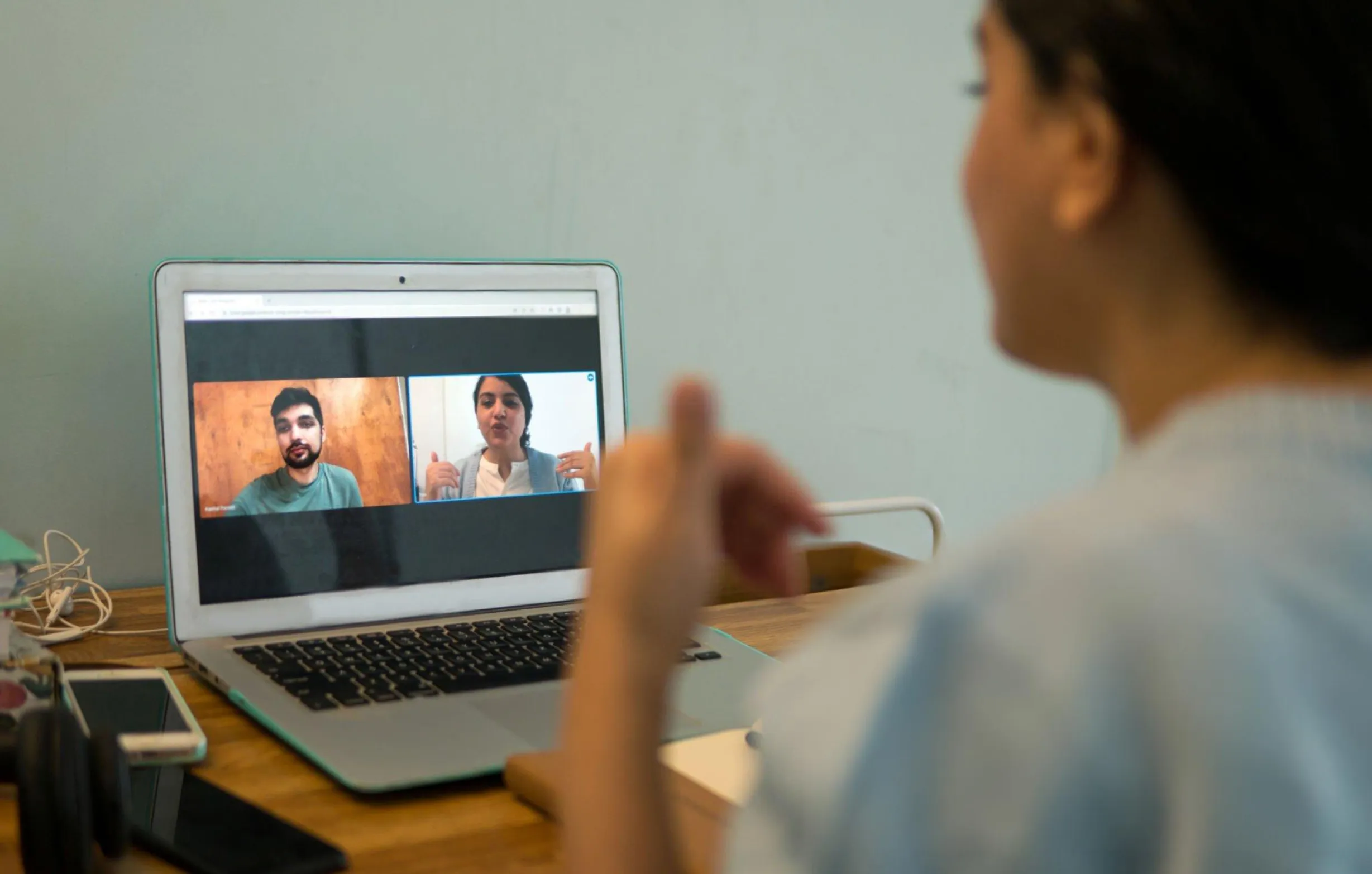
These programs allow students to balance work, family responsibilities, and education without compromising on quality.
Some key benefits include:
- Flexible study schedules
- Live and recorded lectures
- Access to experienced faculty
- Interactive assignments
- Digital learning resources
- Learning from the comfort of home
Many reputed institutes also combine online learning with practical teaching activities, ensuring that students gain both theoretical knowledge and hands-on experience.
Skills That Make You Stand Out
Apart from certification, employers look for qualities that cannot always be measured on paper.
These include:
- Creativity
- Patience
- Empathy
- Classroom management
- Problem-solving ability
- Teamwork
- Adaptability
- Passion for working with young children
Developing these skills throughout your training can significantly improve your employability.
Essential Elements of a Strong Teaching Portfolio
A professional portfolio can help you stand out from other applicants.
Include:
- Lesson plans
- Worksheets
- Teaching aids
- Art and craft activities
- Classroom photographs (where permitted)
- Internship reports
- Certificates
- Creative classroom ideas
Build a Teaching Portfolio That Sets You Apart
A well-organized teaching portfolio is more than just a collection of documents it’s a reflection of your skills, creativity, and readiness to step into a classroom. While your certificate proves that you’ve completed an ECCE course, your portfolio shows employers how you apply your knowledge in real teaching situations.
Your portfolio should highlight your ability to plan engaging lessons, create child-friendly learning materials, and design activities that support holistic development. Including sample lesson plans, worksheets, art and craft ideas, storytelling sessions, phonics activities, classroom management strategies, and photographs of teaching aids (where permitted) gives interviewers a clear picture of your teaching approach.
If you’ve completed internships or practical teaching sessions, include observation reports, feedback from mentors, and certificates of participation. Positive evaluations from supervisors demonstrate your willingness to learn and your ability to work effectively with children.
You can also showcase creative classroom resources such as flashcards, sensory activities, thematic learning plans, assessment formats, and examples of children’s learning outcomes (while maintaining privacy). These materials reflect your initiative, planning skills, and understanding of age-appropriate teaching methods.
During interviews, a professional portfolio serves as a valuable conversation starter. Instead of simply describing your abilities, you can provide tangible examples of your work. Recruiters often appreciate candidates who are well-prepared and can confidently explain the thought process behind their lesson plans and classroom activities.
Whether you maintain a printed folder or a digital portfolio, ensure that it is neatly organized, visually appealing, and regularly updated. A polished teaching portfolio not only demonstrates your preparedness but also highlights your creativity, professionalism, and passion for early childhood education qualities that can significantly improve your chances of securing your dream teaching position.
Keep Learning Beyond Your Course
Completing an ECCE course is an important milestone, but it is only the beginning of your journey as an early childhood educator. The field of education is constantly evolving, with new research, teaching strategies, and educational technologies emerging every year. To remain effective and relevant, teachers must embrace the mindset of lifelong learning.
Continuous professional development helps educators stay updated with the latest trends in early childhood education. By attending workshops, webinars, certification programs, and teacher training sessions, educators gain fresh ideas and practical techniques that can be implemented in their classrooms. These learning opportunities often introduce innovative approaches to play-based learning, inclusive education, classroom management, social-emotional learning, and child-centred teaching practices.
Reading educational books, journals, and research articles is another excellent way to expand your knowledge. Staying informed about child psychology, developmental milestones, and evidence-based teaching methods enables educators to make informed decisions that positively impact children’s learning experiences. It also helps teachers understand how different children learn and how to adapt lessons to meet diverse needs.
Technology has also become an integral part of modern classrooms. Familiarity with digital learning tools, interactive educational apps, virtual storytelling techniques, and online classroom resources allows teachers to create engaging and meaningful learning experiences. Even in traditional classrooms, technology can enhance creativity and make lessons more interactive.
Networking with fellow educators is equally valuable. Participating in teacher communities, educational forums, and professional associations provides opportunities to exchange ideas, discuss classroom challenges, and learn from the experiences of other professionals. Such collaborations often inspire new teaching practices and broaden an educator’s perspective.
Continuous learning also contributes to career growth. Schools and educational institutions often prefer teachers who actively invest in their professional development, as it reflects initiative, adaptability, and a commitment to excellence. Educators who regularly upgrade their skills are more likely to take on leadership roles, mentor new teachers, or specialize in areas such as special education, curriculum development, or educational leadership.
Most importantly, lifelong learning benefits the children. A teacher who is enthusiastic about learning naturally inspires curiosity, creativity, and a love for learning in young minds. When educators continuously refine their knowledge and teaching practices, they create richer, more engaging classroom experiences that support every child’s holistic development.
In today’s competitive education sector, a certificate may help you begin your career, but your commitment to continuous learning is what helps you grow, excel, and make a lasting impact as an early childhood educator.
Completing an ECCE course is the first step toward a rewarding career in early childhood education, but it is your skills, confidence, and practical experience that truly set you apart.
Understanding the ECCE full form in education is important, but applying its principles in real classrooms is what helps you succeed.
Whether you choose a traditional classroom program or an online ECCE course in Mumbai, from National Academy it focus on gaining hands-on experience, improving your communication skills, and nurturing a genuine love for teaching. When you combine the right training with the right attitude, you’ll be well on your way to securing your dream role as an early childhood educator.