
Table of Contents
Choosing a special education diploma program is an important decision for both parents and learners. Special education helps children with different learning needs, and good training improves how well this help works. This is why selecting the right program requires careful thought and a clear understanding.
A well-structured special education diploma course helps learners understand learning differences, apply suitable teaching methods, and provide individualised support. It also helps teachers work patiently and responsibly with children who need extra help.
With more options now available, diploma in special education online formats, it has become important to evaluate courses based on curriculum, practical training, and certification value rather than choosing quickly.
This guide offers a clear checklist to help parents and learners make an informed and confident choice.
Who Should Consider a Special Education Diploma Program?
A special education diploma course is suitable for individuals who want to support learners with different learning needs in a structured and meaningful way.
- Parents and caregivers
Parents who want to understand better their child’s learning challenges can benefit from professional training. It helps them support learning at home and work more effectively with schools and educators.
- Aspiring special educators
Individuals planning a career in special education can use this diploma as a foundation to work with children who require learning support in schools or learning centres.
- Shadow teachers and learning support professionals
Those interested in one-to-one classroom support roles can build the skills needed to assist children with specific learning needs through structured training.
- Teachers and education professionals
Educators who want to expand their skills in inclusive education can use this diploma to support diverse classrooms better.
- Career changers interested in education
Learners from other fields who are interested in inclusive education and child support roles can also pursue this program with no prior experience required.
If you are exploring this field as a long-term career option, understanding the scope of a diploma in special education in India can help you evaluate growth opportunities before choosing a programme.
What Does a Special Education Diploma Program Cover?
A special education diploma program is designed to help learners understand learning challenges and provide the right support to children in academic and classroom settings. The course coverage can be broadly understood under three key areas:
Core Understanding of Learning Difficulties and Disabilities
This area raises awareness of the different learning and developmental challenges children face.
- Types of learning disabilities, such as dyslexia, dysgraphia, dyscalculia, and dyspraxia
- Understanding disability and inclusion in educational settings
- Insight into the emotional, social, and academic life of children with ADHD and autism
- Understanding the academic journey of a child with special learning needs
Teaching Strategies and Individualised Learning Support
This section focuses on how learning support is planned and delivered based on individual needs.
- Individualised Education Planning (IEP) for personalised learning goals
- Teaching strategies for reading, writing, and mathematics
- Support techniques and classroom strategies for children with ADHD and autism
- Different types of remediation are used to address specific learning gaps
Classroom and One-to-One Intervention Methods
This area prepares learners to apply support strategies in real educational environments.
- Use of screening and basic assessment tools to identify learning needs
- One-to-one intervention methods used by shadow teachers and remedial educators
- Understanding legal concessions and the certification process for children with learning disabilities
This coverage helps learners acquire the knowledge and skills needed to support children in inclusive and special education settings effectively.
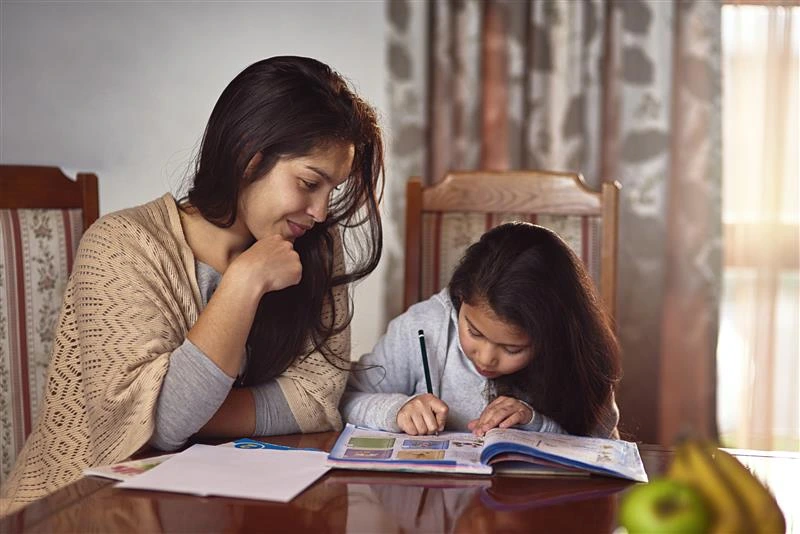
Checklist: How to Choose the Right Special Education Diploma Program
Use this checklist to evaluate whether a program truly meets learning and career needs.
1. Check the Course Structure and Curriculum
The program should cover learning disabilities, inclusive education, teaching methods, and interventions. Well-designed special education diploma courses combine theory and practical application.
2. Decide Between Online and Classroom Learning
Choose a format that fits your schedule and learning preference. A diploma in special education online works well for flexible learning, while classroom courses may suit learners who prefer face-to-face guidance and classroom interaction.
3. Look for Practical Training and Real-Life Application
Practical exposure is essential in special education. The program should include real-world examples and strategies for classroom and one-on-one teaching.
4. Check Coverage of Shadow Teaching and Remedial Support
A strong program should include the skills needed for individual learning support. Courses connected to an online shadow teacher training course, a certificate in shadow teacher training, or remedial teaching add value for hands-on support roles.
5. Suitability for Children with Different Learning Needs
The course should help learners support children with different needs, like learning disabilities, ADHD, and autism. Look for programs that offer personalized support instead of a general approach.
6. Review Assessment and Progress Tracking
Assessments, assignments, or practical evaluations help learners track progress and strengthen understanding. This ensures active learning instead of passive study.
7. Understand the Certification and Its Career Value
Certification should be meaningful and recognised for education and learning support roles. A well-structured diploma helps learners move into roles such as special educator, shadow teacher, or remedial support professional with confidence.
8. Match the Program with Your Learning Goals
Parents may want to support their child better, while learners may be preparing for professional roles. Choose a program that aligns clearly with your purpose and long-term plans.
Online Special Education Programs: What Parents Should Check
Online learning can be effective in special education when the program is designed thoughtfully. Parents should review a few key aspects before choosing a course.
- Support and guidance during the course
Online courses should provide access to trainers or academic support for doubts and guidance. This ensures learners are not studying in isolation.
- Clear and structured curriculum
The programme should clearly explain what will be taught, including learning disabilities, teaching strategies, and intervention. A well-designed diploma in special education online should not feel vague or incomplete.
- Practical and application-based learning
Parents should check if the course has examples, real-life situations, or activities. This helps learners understand how concepts apply to real children and classrooms.
- Relevance for different learning needs
The course should help learners support children with different needs, like learning disabilities, ADHD, and autism, not just teach theories.
Career Opportunities After a Special Education Diploma
Special education diploma courses open meaningful career paths focused on supporting children with different learning needs. The roles may vary based on interest, training focus, and experience.
- Special educator
Trained professionals can work in schools or learning centres to help children with learning disabilities through individual teaching methods and inclusive teaching.
- Shadow teacher
Shadow teachers provide one-to-one classroom support to children who need additional guidance. This role is often suitable for learners trained through a certificate in shadow teacher training or an online shadow teacher training course.
- Remedial educator
Remedial educators focus on improving specific academic skills such as reading, writing, or mathematics. This role aligns well with learners who have completed a certificate course in remedial teaching or a remedial education course online.
- Learning support facilitator
This role involves assisting children with academic and behavioural needs in schools, therapy centres, or inclusive classrooms.
- Parental support and guidance roles
Parents who complete special education diploma courses often use the knowledge to support their own children better and collaborate effectively with teachers and schools.
These career options allow learners to apply their training in educational, therapeutic, and support-based environments, depending on their goals and interests.
Making the Right Choice in Special Education Training
Choosing the right Special education courses in Mumbai requires more than comparing course names or durations. It involves understanding the curriculum, hands-on experience, matching different learning needs, and its long-term benefits. A clear program helps learners gain the skills to support children with learning disabilities, ADHD, autism, and other challenges effectively.
Whether parents are looking to support their child or learners are better preparing for professional roles, the proper training creates clarity and confidence. Programs that balance theory, practical learning, and real-world application make a meaningful difference in inclusive education settings.
At National Academy, we focus on delivering structured and practical special education programmes that support learners at every stage. Our diploma in special education online course combines flexibility with in-depth learning, covering shadow teaching, remedial education, and inclusive teaching strategies. Through guided learning and recognised certification, we aim to help parents and learners build the skills needed to make a positive impact in special education and learning support roles.
FAQs: Special Education Diploma Programs
1. Are special education diploma courses suitable for parents?
Yes, special education diploma courses are suitable for parents who want to understand their child’s learning needs better and support academic development at home and in school.
2. What roles can I pursue after completing a special education diploma?
Learners can work as special educators, shadow teachers, remedial educators, or learning support facilitators, depending on their training focus and experience.
3. What is the difference between shadow teaching and remedial teaching?
Shadow teaching provides one-on-one classroom help, while remedial teaching aims to improve specific skills like reading, writing, or math with tailored support.
4. Does the course cover remedial education?
Yes, many programs include remedial teaching methods, often linked to a certificate course in remedial teaching or a remedial education course online, to support children with specific learning gaps.
5. Is an online shadow teacher training course useful for beginners?
An online shadow teacher training course is suitable for beginners as it introduces classroom support techniques and practical strategies used in inclusive education settings.
6. Are special education courses in Mumbai suitable for beginners?
Yes, special education courses in Mumbai are suitable for beginners because they usually start with basic concepts and gradually move into practical teaching and learning support strategies.
7. How do I know if a course is right for children with different learning needs?
A good course will cover learning disabilities, ADHD, autism, individualised education planning, and practical intervention strategies rather than focusing only on theory.